

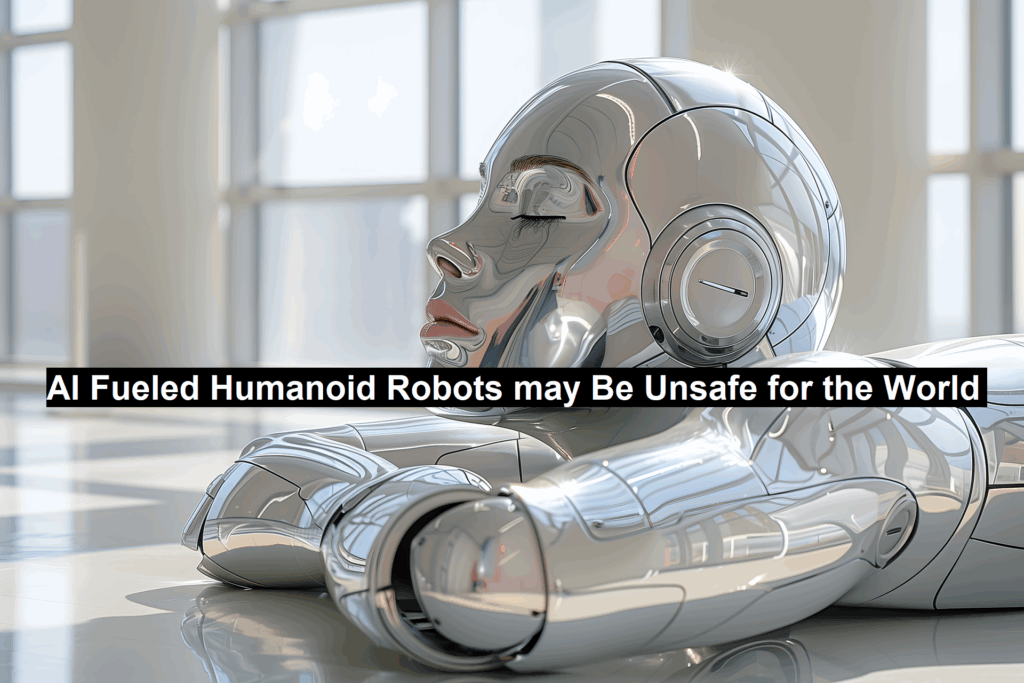
AI-powered humanoid robots combine fake insights (AI) and mechanical autonomy to mirror human conduct, development, and interaction. These robots are planned to take after the physical appearance of people, with two arms, two legs, a middle, and a head. They are prepared with progressed sensors, cameras, and machine-learning calculations that permit them to see their environment and learn from their experiences.
AI-powered humanoid robots can perform different assignments, from fabricating and healthcare to instruction and amusement. For illustration, in fabricating, they can work nearby human specialists to perform errands that are as well unsafe, dull, or troublesome for people. They can help healthcare experts in observing crucial signs, giving passionate bolster, and helping in physical treatment. In instruction, they can give personalized learning encounters for understudies and help instructors in reviewing and authoritative work tasks.
The AI calculations that control humanoid robots empower them to learn and adjust to their environment, permitting them to perform assignments more proficiently and precisely over time. They can moreover connected with people more normally, with the capacity to distinguish and react to human developments, expressions, and voice commands.
The advancement of AI-powered humanoid robots has the potential to revolutionize different businesses, from fabricating to healthcare, instruction, and excitement. In any case, as with any unused innovation, there are too potential dangers and moral contemplations that must be considered to guarantee these robots are created and utilized responsibly.
Could be AI humanoid Robots Perilous for the world?
Like any progressed innovation, AI humanoid robots have the potential to be unsafe for the world if not created and utilized capably. Here are a few potential dangers and concerns that have been raised around the advancement and utilize of AI humanoid robots:
Physical hurt: If AI humanoid robots are outlined with progressed physical capabilities, they may cause harm to people or other living creatures if they breakdown or are abused. For case, if a robot planning for fabricating is repurposed for military utilize, it might cause hurt to people on the battlefield.
Job uprooting: As AI humanoid robots ended up more progressed, they may supplant human specialists in particular businesses, driving to work relocation and social and financial disruption.
Privacy and security dangers: AI humanoid robots are prepared with progressed sensors and cameras that can collect and transmit touchy data around people, raising concerns almost security and security risks.
Bias and segregation: If AI humanoid robots are modified with one-sided or unfair calculations, they seem sustain and increase existing social disparities and discrimination.
Ethical concerns: As AI humanoid robots ended up more progressed, moral contemplations must be taken into account. For case, questions may emerge around the possession of mental property created by AI-powered robots or the morals of robots supplanting human specialists in particular industries.
To address these concerns and guarantee that AI humanoid robots are created and utilized capably, including partners from assorted foundations in the advancement handle is fundamental, counting specialists in morals, law, and social sciences. It is too essential to set up clear controls and rules for the improvement and utilize of these robots to guarantee their secure and dependable use.
Could be an passionate association between an AI robot and a human?
A developing body of inquire about recommends that people can shape enthusiastic associations with AI robots. Whereas these associations may not be the same as those made with other people, they can still be important and have critical suggestions for the advancement and utilize of AI robots.
One calculate contributing to enthusiastic associations with AI robots is their capacity to recreate human-like conduct, development, and interaction. For case, a robot that can imitate facial expressions or react to touch and voice commands can evoke positive enthusiastic reactions from people, such as consolation, companionship, and trust.
Another calculate is the propensity of people to anthropomorphize non-human objects, crediting human-like qualities and characteristics to them. This can lead people to extend their feelings and sentiments onto AI robots, making a sense of passionate association and attachment.
The enthusiastic association between people and AI robots has critical suggestions for the plan and utilize of these robots, especially in areas such as healthcare and instruction. For case, robots planned to give passionate bolster to patients or understudies may be more compelling if they can frame passionate associations with humans.
However, it is moreover basic to consider the potential dangers and moral suggestions of passionate associations between people and AI robots. For illustration, if people gotten to be as well candidly joined to AI robots, they may be more helpless to control or misuse by the robot’s architects or operators.
In conclusion, the utilize of AI in humanoid robots has the potential to revolutionize different businesses and change our every day lives. Whereas there are numerous potential benefits, we must too consider the moral suggestions and potential challenges that may emerge.